

Fiber technology company Spinnova is starting change negotiations to adapt its organization due to the company's current development phase and changing operating environment. The change negotiations include all Spinnova employees, including senior management…
Ecological textile fiber production continues: Spinnova prepares to restart production at Woodspin demo factory
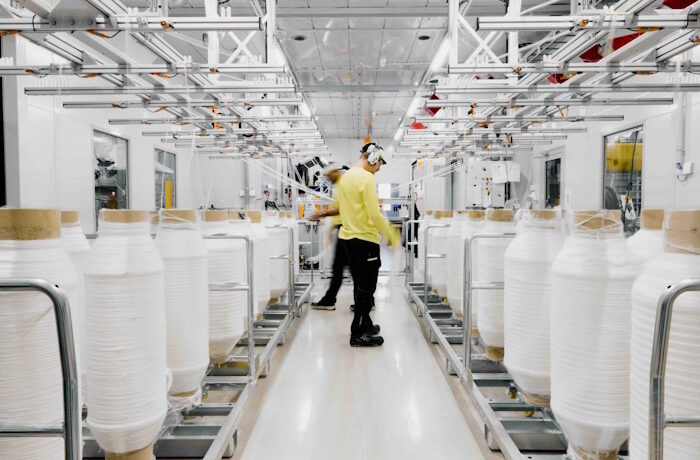



Spinnova restarts its textile fiber production in Jyväskylä a year after Suzano withdrew and aims back towards industrial scale.
At Spinnova's demo factory Significant test runs are starting in Jyväskylä. They will determine how quickly the company can return to commercial production.
The company's goal is to launch larger-scale production of ecological textile fiber later this year.
“Our goal is to proceed with the ramp-up of the demo plant in stages. The upcoming test runs are an important step towards starting actual production,” says Spinnova’s CEO. Janne Poranen.
Spinnova continues after Suzano withdraws from cooperation
Spinnova's production in Jyväskylä stopped last year when Brazilian pulp giant Suzano withdrew from the companies' joint venture Woodspin.
The withdrawal forced Spinnova and Woodspin to adjust their operations. Production at the demo factories was temporarily halted and personnel were laid off.
Although production was on hold, development work did not stop. The pilot plants established in 2019 have been in active use throughout.
In October 2025, Spinnova acquired full ownership of the shares and demo factories of Woodspin Oy and Suzano Finland Oy.
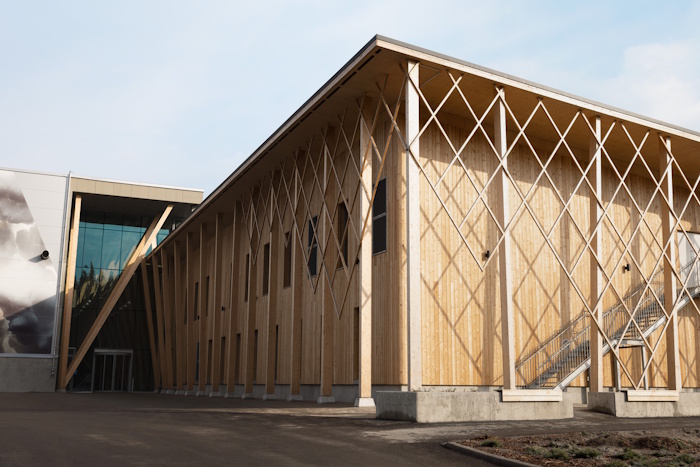
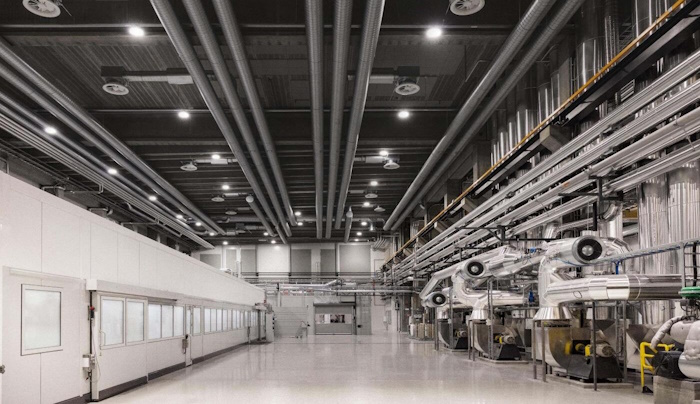
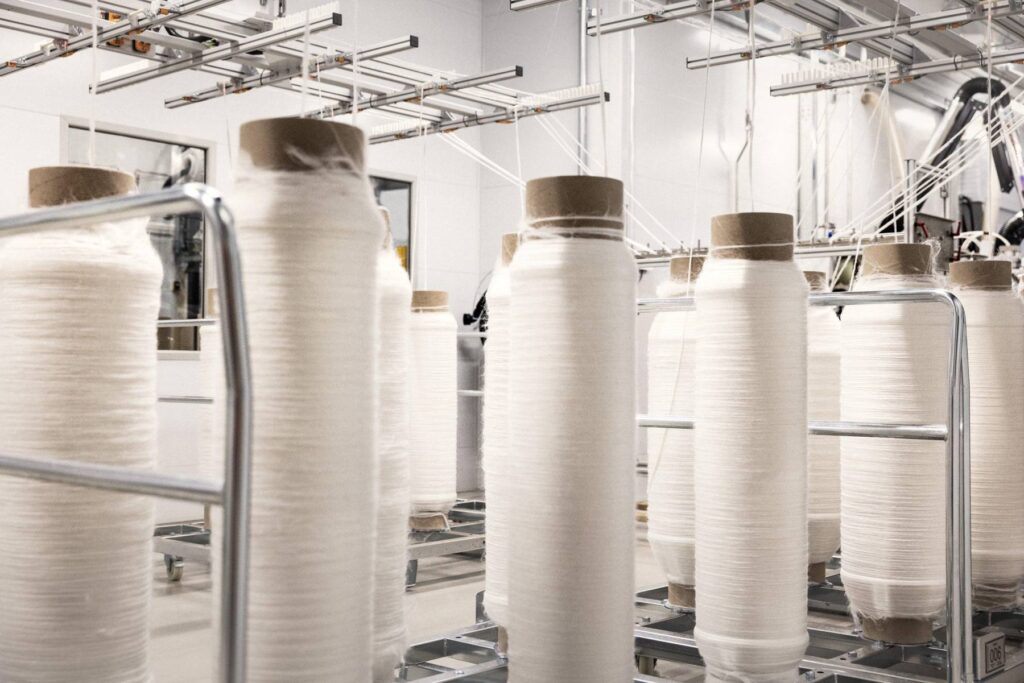
The Eteläportti mill in Jyväskylä houses a fiber production line and a microfibrillated cellulose (MFC) production line, which was previously the responsibility of Suzano Finland. The MFC line is currently operated by Spinnova Refining Oy.
Spinnova has taken full control of the demo factories and further developed the technology.
Over the past year, Spinnova has improved fiber quality and managed to reduce production and investment costs. For example, the energy consumption of microfibrillated cellulose production has been halved.
In the trial runs that are now starting, these improvements will be tested on a larger scale.
New partnerships
As Spinnova prepares to restart production, it has strengthened its ecosystem with new partnerships.
Spinnova needs both brands and technology experts to bring the fiber to market.
Fashion players such as Armedangels and Tommy Hilfiger, as well as organizations promoting the circular economy, are participating. In addition, Swedish textile recycling company Circulose has joined in to develop pulp-based raw materials.
Circulose, formerly known as Renewcell, recycles cellulose-containing textile waste using a patented process that produces dissolving pulp from textile production side streams and discarded textiles. The pulp produced from textile waste is suitable for the production of viscose, lyocell and viscose filament, among other things.
Cooperation is also expanding on the technology side: Swiss company Sulzer is providing Spinnova with expertise in, among other things, the processing of fiber-liquid mixtures.
Waste and side streams are also suitable
The trial runs that are about to begin will show whether Spinnova will succeed in turning a difficult year into a foundation for growth and bringing wood-based fiber to wider use in the textile industry.
Spinnova's method produces textile fiber from, for example, wood and other cellulose-based materials without harmful chemicals.
In addition to wood, many types of waste and side streams can be utilized as raw materials for biodegradable fiber.
Collaborative projects have investigated, for example, the utilization of leather waste-based fibers and oat husks.
Last fall, Respin, a joint venture between Spinnova and shoe manufacturer Ecco, successfully produced leather waste-based fiber for Ecco for this year's product launch.
Text: Elina Saarinen, Uusiouutiset
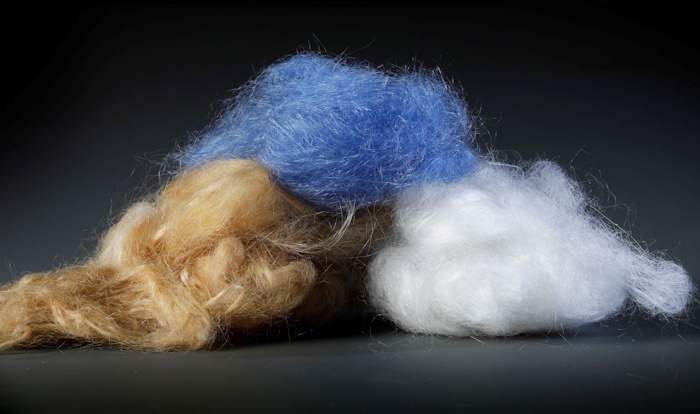
Photo: Spinnova. Spinnova is restarting its textile fiber production plant in Eteläportti, Jyväskylä. The plant has been out of operation since Suzano withdrew from the collaboration last year.
More on the topic












Uusiouutiset newsletter