
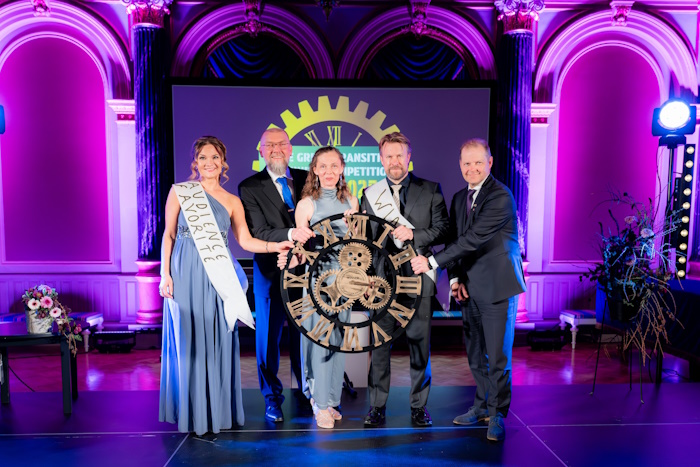
The green transition business competition culminated in Oulu at the end of May at the Biocluster Finland gala. The winner of 2025 was Elmery Oy from Espoo, which offers a patented…
Elmery reaches the finals of the international recycling technology startup competition



A Finn who developed an innovative method for recovering critical metals Elmery has been successful in an international competition for circular economy startups.
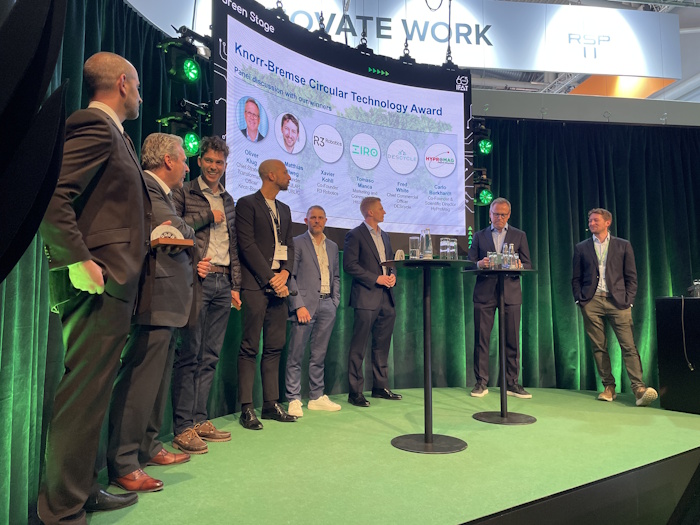
Elmery emerged from over 50 applicants and was among the five finalists in its own category, which highlights circular economy technology. In the Knorr-Bremse Award competition.
The competition brings together Europe's best circular economy technology startups.
The jury includes members from universities, colleges, circular economy organizations, and the European Institute of Innovation and Technology EIT Raw Materials, among others.
“A final place in such a tough competition shows that Elmery’s technology directly addresses one of Europe’s major industrial challenges and goals: how to recover critical and valuable metals more efficiently, cleaner and closer to current industrial processes,” commented Elmery’s Sales Director. Kim Kavander.
According to him, participating in the competition brings many benefits: visibility and new contacts with investors, industrial players and circular economy ecosystems. Another valuable thing is that the company's solution is evaluated by an international panel of experts.
Towards commercial applications
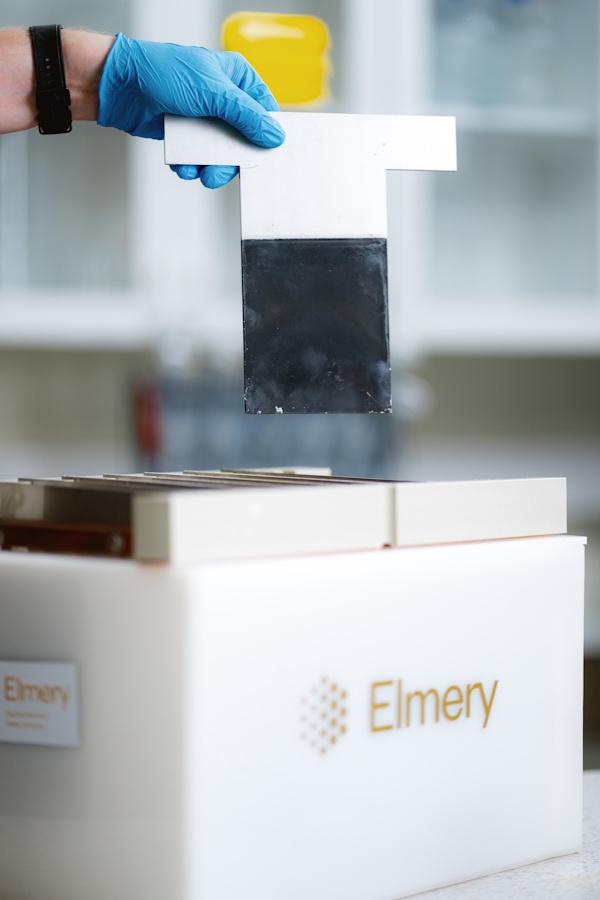
Founded in 2022, Elmery has developed a patented EDRR method that recovers valuable metals such as gold, silver, copper and platinum group metals, and removes harmful impurities from processes in an energy-efficient and low-chemical manner.
The method, based on smart electrification, can be used in hydrometallurgical processes, for example in precious and base metals processing plants, in the mining industry and in recycling value chains. There are already customers in more than ten countries.
Kavander says that the company has grown at a good pace and is currently moving from the research and development phase towards industrial pilots and commercial applications.
“Our technology is designed for existing liquid process streams where metals are already in dissolved form. The goal is not to replace the customer’s entire process, but to introduce a precise additional step that improves recovery and end-product purity, removes impurities and reduces the need for chemicals.”
Interest is particularly expressed in the value chains of precious metals, base metals, hydrometallurgy, recycling and critical raw materials.
Elmery said in April to start cooperation Aalto University and copper producer Aurubis are scaling up their recovery technology. EIT RawMaterials supports the collaboration.
Legislation tightens technologies
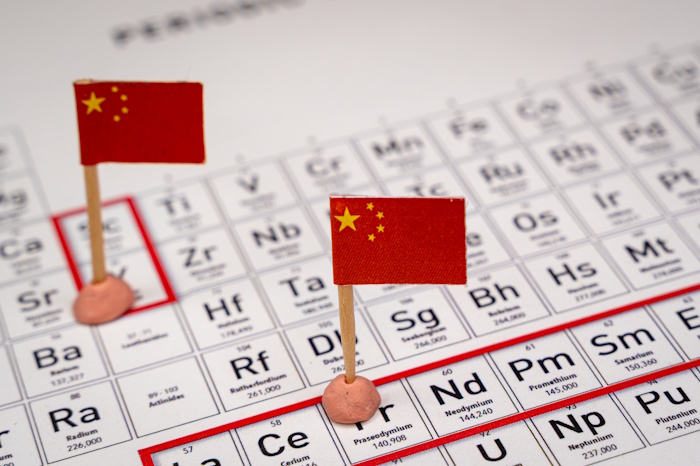
The market is also being boosted by EU Critical Raw Materials Regulation (CRMA). According to it, Europe must strengthen its own raw material procurement, processing and recycling and reduce dependence on individual non-EU supplier countries by 2030.
“This creates strong political and industrial pressure to develop new recycling and recovery solutions for Europe. However, there is a clear gap in the market between ambitions and practical implementation. Regulation alone will not solve the problem of how to recover critical metals from complex, impure and variable industrial streams. This requires technologies that operate in a real industrial environment and can be integrated into existing processes without having to rebuild the entire value chain.”
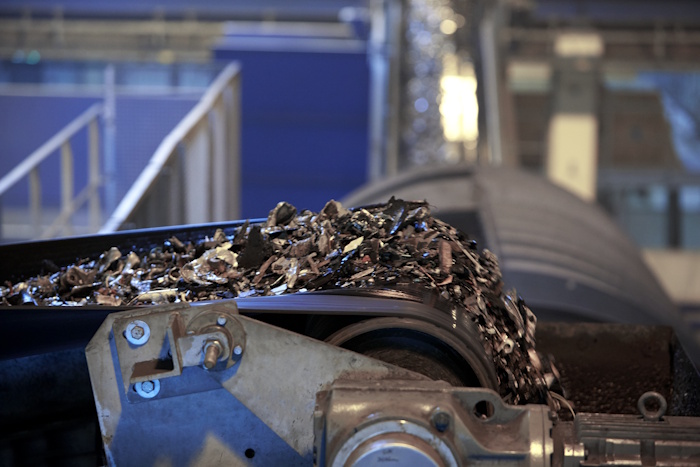
Elmery sees that there are many side streams, process solutions and recycling streams in Europe that contain valuable metals, but whose economic utilization is not yet economically or technically efficient enough.
“Our goal is to help extract more value from these streams, with a lower chemical load, while protecting the environment and integrating them into existing processes as practically as possible,” Kavander explains.
Precious metals from permanent magnets and electrical scrap
Elmery competed in the critical raw materials recovery category. In this category, the jury selected HyProMag and DEScycle as the winners.
Birmingham-based HyProMag recovers rare earth metals such as neodymium from permanent magnets used in turbines and engines, for example. The company is about to open its first commercial plant.
The jury praised the company's solution for reducing climate emissions by almost 90 percent compared to traditional recycling methods.
Also British DEScycle has developed a modular metal recovery method that replaces polluting smelting processes. The company focuses on recycling metals from electrical and electronic waste (WEEE).
The first recycling plant, with a capacity of approximately five thousand tons, is already operational. It will recover, for example, copper, gold and palladium from RES streams.
Robots disassemble complex devices
The winners in the automatic dismantling category were Hiro Robotics and R3 Robotics.
Genoese Hiro Robotics utilizes artificial intelligence and robotics in the automatic dismantling of electrical and electronic waste. Dismantling lines have been developed for dismantling displays and monitors, industrial equipment and circuit boards, for example.
In the future, the company plans to also dismantle solar panels. The company's modular system is already in use at recycling plants in Italy and France.
Formerly known as Circu Lio-ion, it is now a Luxembourg startup called R3 RoboticsIt uses its automated line to disassemble complex electric vehicle components such as lithium-ion batteries.
The company also offers dismantling as a service. In the future, the company aims to automate the dismantling of entire electric cars.
The four winners of the competition received a prize of EUR 25,000 each. The prize was funded by Knorr-Bremse and the Heinz Hermann Thiele Family Foundation. The competition is also organized by the circular economy platform Circular Republic.
The awards ceremony was held in Munich at the IFAT trade fair in early May.
Text: Elina Saarinen, Uusiouutiset
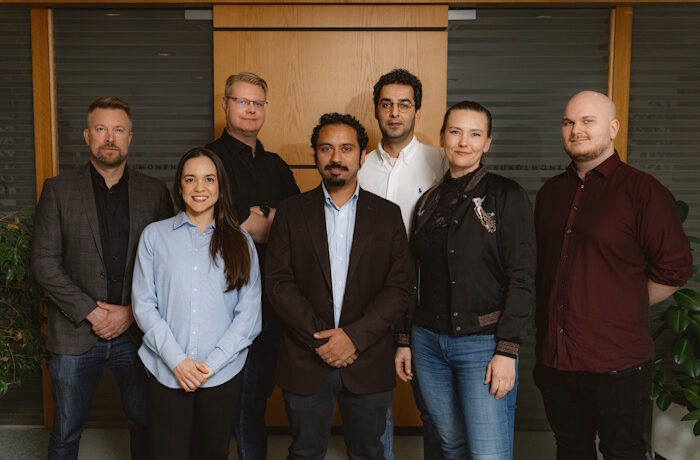
Photo: Elmery. Elmery has grown rapidly. This group photo was taken a few years ago, and since then the team has more than doubled in size.
Article updated 18.5.26: Added comments from Elmery's representative and pictures of the company.
More on the topic







Uusiouutiset newsletter