
(For subscribers.) The packaging and packaging waste regulation (PPWR) is now complete. The regulation was published in the EU…
The EU is reforming the rules of the packaging industry




Last December, the EU adopted the Packaging and Packaging Waste Regulation (PPWR; Packaging and Packaging Waste Regulation), which replaces the corresponding directive.
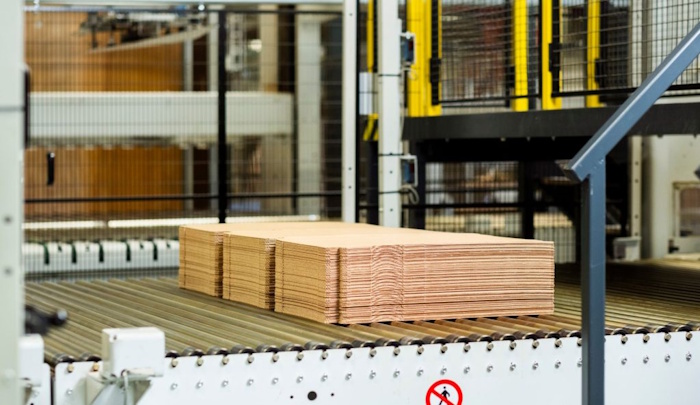
The over 300-page regulation aims to reduce the environmental burden caused by packaging. It sets requirements for packaging that can be accepted on the market, the reuse and refilling of packaging, and the recycling of packaging waste.
The regulation covers the entire value chain, which is a welcome development in waste legislation. The potential for reuse and recycling must be created in the design and manufacturing stages of products. At the end of the life cycle, the means are much more limited, and non-recyclable packaging is only suitable for energy use.
Some of the requirements of the Packaging Regulation have been received with reasonable consensus. These include obligations to reduce the need for packaging materials by minimizing empty space in packaging.
However, the regulation also includes objectives whose environmental benefits are subject to quite conflicting views.
There has been much discussion in Finland about the requirement that at least 10 percent of drinks be sold in reusable packaging by 2030. According to preliminary estimates, achieving the target would require hundreds of millions of euros in investments in reusable packaging, packaging lines, and return and washing systems. At the same time, we would dismantle part of our well-functioning deposit system, which achieves recycling rates of over 90 percent for glass, plastic, and metal packaging. The environmental benefits of the change are, to say the least, unclear.
The biggest weakness of the Packaging Regulation is its impact assessment. The assessments have also been heavily criticized. It seems that some of the targets set carry a risk of increasing emissions, even though the intention is the opposite.
Member States must, among other things, reduce the amount of packaging waste generated, even if sales of packaged products increase. We know from life cycle studies that the emissions caused by the production and waste management of packaging are small compared to the premature spoilage of food due to poor packaging. Now we must ensure that the goal of reducing the amount of packaging waste does not lead to an increase in emissions.
The EU Commission is very much the gatekeeper when it comes to the environmental impact of the regulation. The Commission has been given the power to specify and interpret many of the objectives and requirements. For example, it determines what kind of recyclable packaging is, which all packaging must be from 2030 onwards.
If the new definition increases recycling and does not lead to a deterioration in the protective properties of packaging, the regulation has been successful in this respect. If the requirement for recyclability weakens the ability of packaging to protect products, we are going in the wrong direction.
The Packaging Regulation will become applicable in the member states in the second half of 2026. In addition, several new obligations include transition periods and will only come into force later.
Even though there may seem to be plenty of time, it is easy to predict rush, additional costs and grey hairs for the packaging industry. Achieving the goals will require major and time-consuming changes to the current system. In return, we can expect an increase in the environmental footprint of packaging, which would mean a reduction in emissions from production and consumption.
Text: Juha-Heikki Tanskanen, Finnish Packaging Recycling RINKI Oy
Photo: Antti Ahtiluoto. Juha-Heikki Tanskanen predicts a rush for the packaging industry.
More on the topic

Uusiouutiset newsletter