

Energy company Fortum has successfully completed a pilot project in which methane was generated from carbon dioxide emissions from the Riihimäki waste incineration plant. The next phase is the production of carbon dioxide-based plastics. The CCU pilot…
Fortum elevates waste-to-energy plants to a new role in circular economy chains: Carbon emissions from waste incineration could even produce plastic




Europe's hundreds of waste incineration plants may soon have a new circular economy role that will reduce Europe's dependence on fossil fuels.
Energy company Fortum has started a pilot at its Riihimäki waste incineration plant, the aim of which is to capture the carbon dioxide released from the plant and use it as a raw material in the production of new materials.
“In the Carbon2x concept, carbon dioxide is a valuable raw material from which new materials can be produced. At the same time, we reduce dependence on fossil raw materials and improve Europe's self-sufficiency,” says the head of the recycling and waste business Kalle Saarimaa In a Fortum press release.
Europe's waste-to-energy plants become circular economy factories
Saarimaa has long considered the role of waste incineration plants in the overall circular economy.
On their new news blog A year ago, Saarimaa stated that waste incineration is still seen as the end point of the waste treatment process, when it should be seen as the starting point:
“By combining the carbon dioxide generated in the [waste incineration] process and hydrogen produced with clean energy, new materials, such as plastic, can already be built using current technologies. In the future, metals and salts can be separated from the ash fraction using new technologies. The remaining purified mineral fraction can be reused,” Saarimaa wrote and continued:
“To summarize: Europe has invested in a huge waste incineration infrastructure that could be used to promote recycling.”
Now Fortum has launched a strategic program for its recycling and waste business. The Carbon2x program will help the company reduce carbon emissions from its waste management operations and produce raw materials for new products.
The Carbon2x program contributes to Fortum's goal of being carbon neutral in European electricity production by 2035. In the future, Fortum plans to focus more on producing materials from the recycling process.
According to the company, there are hundreds of waste incineration plants in Europe to which the Carbon2x concept could be applied.
The continent generates nearly 100 million tons of waste annually, which is converted into energy by incineration.
According to Fortum, incineration of non-recyclable waste is an important part of the current waste management system and energy production, but incineration also causes harmful emissions.
On the other hand, waste also contains huge amounts of carbon, which, if properly utilized, is a valuable raw material for materials. Carbon cannot be sufficiently recycled using current mechanical methods based on separate collection and cleaning of materials.
Initially methane, later special plastics
In the first phase of the new pilot, hydrogen is combined with carbon dioxide collected from the end of the chimney of the Riihimäki waste incineration plant, resulting in the production of methane.
“However, we see methane production only as an intermediate step and are much more interested in the production of higher-value products, such as specialty plastics,” says the Carbon2x project manager. Tony Rehn.
Plastic packaging recycling rate doubled
According to Fortum's preliminary analysis, up to 90 percent of the carbon contained in waste could be recycled by supplementing mechanical recycling of plastic with waste incineration technology, where carbon emissions are collected and utilized in the production of new materials.
"As a result, the climate impact of waste incineration would become net negative and the recycling rate of plastic packaging in Finland could be doubled from the current level by 2030," says Kalle Saarimaa.
Text: Päivi Ikonen and Elina Saarinen, Chemistry magazine ja Uusiouutiset
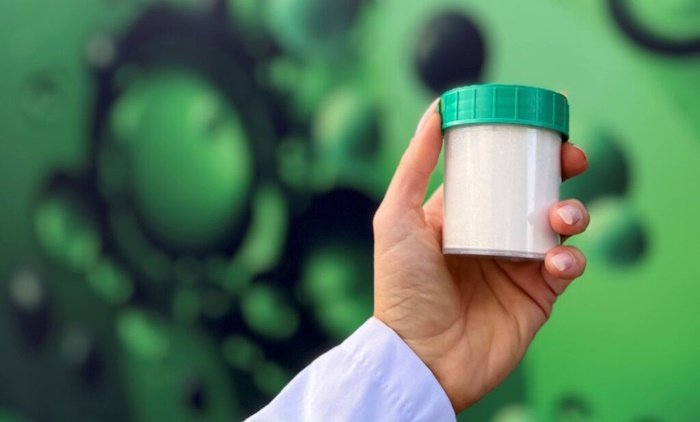
Photo: Fortum. Fortum's pilot project at the Riihimäki waste incineration plant will get underway in spring 2022. Fortum plans to recycle carbon emissions from waste incineration into new materials.
More on the topic


Uusiouutiset newsletter