

Tiia Tuuri works as a development manager at the City of Espoo's Sustainable Development Competence Centre. She promotes the circular economy with partners All plastic is recycled – with regional trials into practice…
Circular economy trick: Reuse wool!



Sari Sarome-Nykänen, CEO and entrepreneur of Lecloop Oy, what is your circular economy trick?
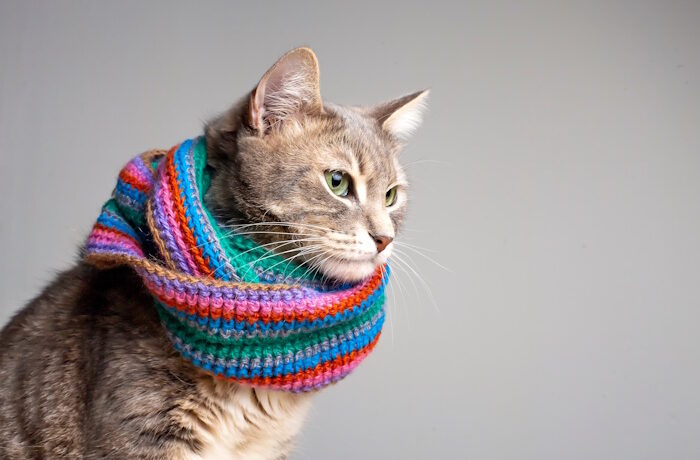
Instead of throwing away knits that have pilled or otherwise pilled in the wash, wool knits are great for making tube scarves, leg warmers, beanies and mittens. A tube is made in a simple way like this: Cut a rectangular piece, finish the edges with a zigzag stitch, fold the shorter edges of the piece against each other and sew together with a zigzag stitch or a seam ripper.

Where did the idea come from?
My husband and I are winter runners, so we use a lot of tube scarves. I once tried making a tube scarf out of an old sweater. Since then, I haven't bought new tubes at all, but have used old sweaters that were in bad condition. With the same idea, I've also started making beanies and gaiters.
What everyday circular economy problem would you like to see solved?
Availability of repair services. The level of VAT on repair and maintenance services, accounting practices and the definition of responsibility in manufacturing, spare parts and repair parts are particularly key issues to be resolved. Traditional repair expertise combined with digital solutions and the AI era offers a wide range of opportunities to develop new business and expand the portfolio of existing companies of all sizes.
Text: Uusiuutisten editorial team
Image: Adobe Stock. Old, wrinkled sweaters can be turned into many useful items.
More on the topic






Uusiouutiset newsletter