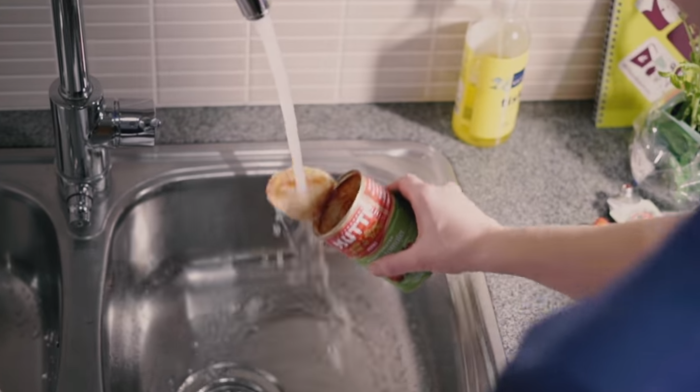
How well should a tomato sauce can be rinsed before being sent for recycling? Should the cap be removed from a plastic bottle? The answers to consumers' sorting problems can be found in new advisory videos. Finnish Packaging Recycling…
The Ravita method effectively utilizes phosphorus and carbon from wastewater




New treatment methods developed by HSY (Helsinki Region Environmental Services) enable the efficient recovery and utilization of nutrients and carbon in wastewater, also on a large scale.
This was demonstrated in the two-year Rahi project that just ended.
HSY's Ravita technology separates phosphorus from the sludge generated in the wastewater treatment plant only during the post-treatment stage of the treatment, where phosphorus and solid matter are removed from the wastewater, for example using disc filtration.
The method recovers over 60 percent of the phosphorus, which significantly reduces the nutrient load ending up in waterways. The recovered phosphorus is processed into phosphoric acid.
Also suitable for use outside the Helsinki metropolitan area
The Rahi project, supported by the Ministry of the Environment, tested, among other things, the production of Ravita's intermediate product, chemical sludge, at full plant scale. The leaching and extraction stages of the process were also scaled up for a full-scale pilot plant.
HSY implemented the project in cooperation with Jyväskylä Region Wastewater Treatment Plant and Porvoo Water. Based on the results, the process is suitable for several Finnish wastewater treatment plants.
In the trial runs carried out at the Nenäinniemi wastewater treatment plant in Jyväskylä, it was possible to produce sludge suitable for processing in the Ravita process in the post-filtration stage of the treatment plant.
Coal has many good properties and uses.
The pyrolysis process piloted in the Rahi project further refines the recovery of phosphorus and at the same time binds some of the carbon in the sludge into a stable form. The end product is sludge carbon, similar to charcoal.
The project optimized the pyrolysis process in a pilot plant and investigated the possibilities of utilizing sludge coal, for example in the digestion process of biowaste and as fertilizer. Häme University of Applied Sciences was involved in the work.
According to the results, adding sludge biochar stabilizes the biowaste digestion process, controls the amount of harmful hydrogen sulfide in biogas, binds ammonium nitrogen to sludge carbon, and increases the potential for long-term storage of carbon in the soil along with the digestate.
Promising results were obtained in cultivation and field trials on the fertilizer effects of sludge coal.
Tex: Päivi Ikonen/ Kemiamedia.fi
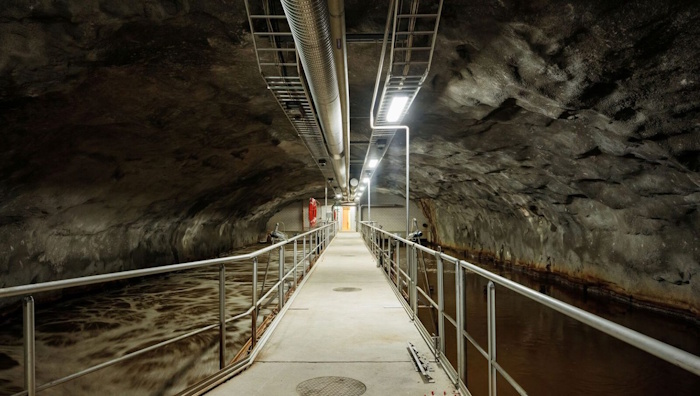
Photo: Elina Saarinen. The new Blominmäki wastewater treatment plant in Espoo is located underground in a rock cave system.
More on the topic


Uusiouutiset newsletter