A new fossil-free steel production method designed by the steel company SSAB will not only reduce emissions but also increase demand for recycled steel. Elina Saarinen of the Raahe steel mill…
SSAB leads a group of partners towards the billion-dollar market for low-emission steel with a new sustainability program



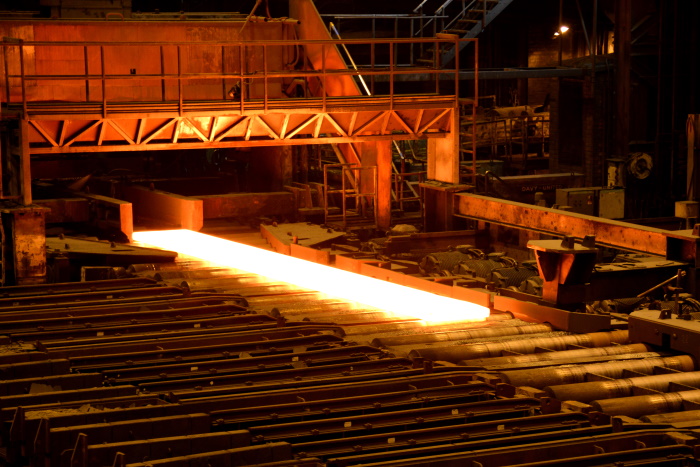
Steel production is undergoing a transformation. SSAB is a driving force in renewing the Nordic steel production ecosystem in a research and development program funded by Business Finland called Sustainable World through Steels.
The launch event for the five-year program will be held on October 7 in Hämeenlinna.
An ecosystem of over 200 partners
SSAB's program aims to create an ecosystem of over 200 partners, including research institutes and universities, digitalization partners, other steel producers, technology developers, and customer companies.
In addition to the projects of the lead company, Business Finland funds the research and development projects of partners in the ecosystem.
Several project packages are already in preparation. The overall budget for the locomotive program is approximately 50 million euros for SSAB and over one hundred million euros for the entire ecosystem.
Steel mill side streams put to new use
The ecosystem aims to create new and improved industrial applications to accelerate sustainable business and Finnish export growth. The solutions are related to the circular economy, fossil-free, electric steel production, digitalization, and the benefits of high-strength steel across the entire value chain.
The global low-carbon steel market is expected to grow to over EUR 110 billion in 2032.
The themes of the new SWS program are:
- Solutions for fossil-free electric steel production.
- Optimizing and developing a sustainable fossil-free supply chain through digitalization.
- Low-emission steel applications and value chains in large volumes.
- Circular economy utilization of steel mill side streams and materials.
Circular economy perspectives are included in many of the program's themes. For example, digitalization makes maintenance more efficient, which in turn extends the life cycle of technology. Supply chain optimization may mean, for example, remanufacturing business models.
The transition to hydrogen reduction will change the side streams of the steel mill. The program is looking for further processing methods for, for example, new dust and slag side streams.
Text: Uusiuutisten editorial team
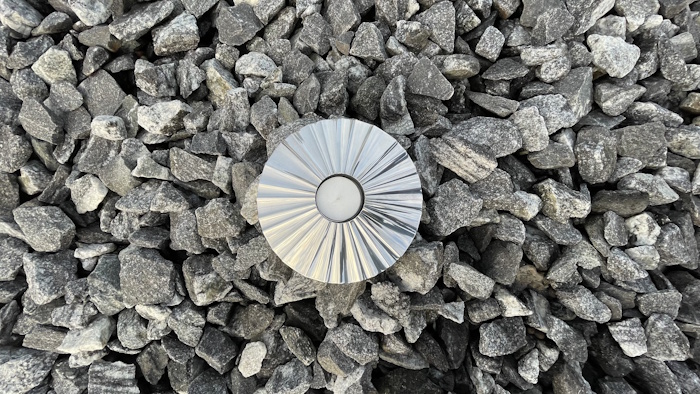
Photo: SSAB. Steel production accounts for about seven percent of the world's carbon dioxide emissions. The HYBRIT technology, developed by SSAB together with its partners, uses hydrogen instead of coal. The photo shows a candlestick made from steel produced through hydrogen reduction.
More on the topic


Uusiouutiset newsletter