Breaking News Series: Will the pandemic change the world? When dealing with the coronavirus, it has been clear that everything possible is being done to minimize the damage. Especially at the beginning of the crisis…
The economy cannot withstand a slowdown in consumption




New News Series: Will the Pandemic Change the World?
The pandemic shows the inefficiency of the current economic model on a planet whose conditions are becoming increasingly difficult as the sustainability and eco-crisis worsen. More and more shocks like the Corona virus are expected every year. Maintaining the current economic model is becoming increasingly impossible.
Our economic system demands constant growth, which is done primarily through consumption. As consumption slows down, we are bullied and manipulated into consuming with ever more aggressive marketing and increasingly stupid, self-centered ideas.
A good example of the latter is an airline that, due to travel restrictions, flies people in jet planes in circles in the sky because it "helps with travel fever."
But perhaps at some point people will start to ask more broadly that if the economy can't handle a few months of slowdown and a steady decline in consumption, why on earth do we think it's a good model? Why do we agree that everyone should earn their well-being through personal work, when work is increasingly difficult, dangerous, or even impossible for many?
It is difficult to say whether the pandemic will change consumption to be more responsible.
The development does not look good: several countries, such as Sweden and the United States, are more willing to sacrifice their own citizens by keeping society open and the wheels of the economy rolling than to change their ways of operating.
The decline in spring emissions has been reversed, and animal production has still not been addressed, even though its importance as a virus incubator and a cause of pandemics is completely clear.
There is also no sign of a change in the stimulus packages offered by the states: the EU ultimately committed less crisis money to addressing the climate crisis than originally intended. Finland, on the other hand, gave Finnair a good chunk of money without any requirement to change its operations to be more responsible. So at least I have not noticed the required change of attitude in the actions of companies and states.
Fortunately, the situation among citizens is slightly better: a survey published in the summer showed that during the corona crisis, Finns spent more time in nature and felt that their relationship with nature had improved.
If this change in thinking is reflected in the actions of companies and governments, change will come, but if the world continues on the same path after the pandemic subsides, the change will remain a temporary improvement and then disappear.
At least we learned from the measures to combat the corona crisis that many countries are able to cooperate and help each other in an acute crisis. On the other hand, the depressing fact was only strengthened that certain countries and their populist leaders can, even in the face of such a concrete and obvious crisis, evade the facts and let their own citizens die.
I believe that this is how the climate crisis will be handled in the future: there are more and more countries taking concrete action, but the laggards are able to ruin the work done by others.
On the other hand, solidarity also seems to have its limits: Europeans are happy to help each other, but the corona situation in Africa has not directly interested us in the slightest. There is also a need to hoard supplies for ourselves in front of others, in the face of the solutions to the pandemic, medicines and vaccines, instead of working together on an equal footing.
However, there is hope. The corona crisis has made concrete for many what the eco-crisis means in practice: the more we push nature into a more unstable place on Earth.
However, the effects of the corona pandemic are relatively mild, and yet it has completely disrupted civilization in a short period of time. This should make it easier for everyone to imagine what life will be like when, in addition to the pandemic, food security is deteriorating, the number of climate refugees is increasing year by year, internal tensions are growing, extreme weather events are increasing, and so on. Understanding this will likely also push people towards more decisive action to combat the eco-crisis.
At the same time, we have also seen that states, businesses and citizens are capable of acting decisively together to combat the crisis. We must ask why the same is not being done with the eco-crisis, even though it is a much more dangerous and complex problem.
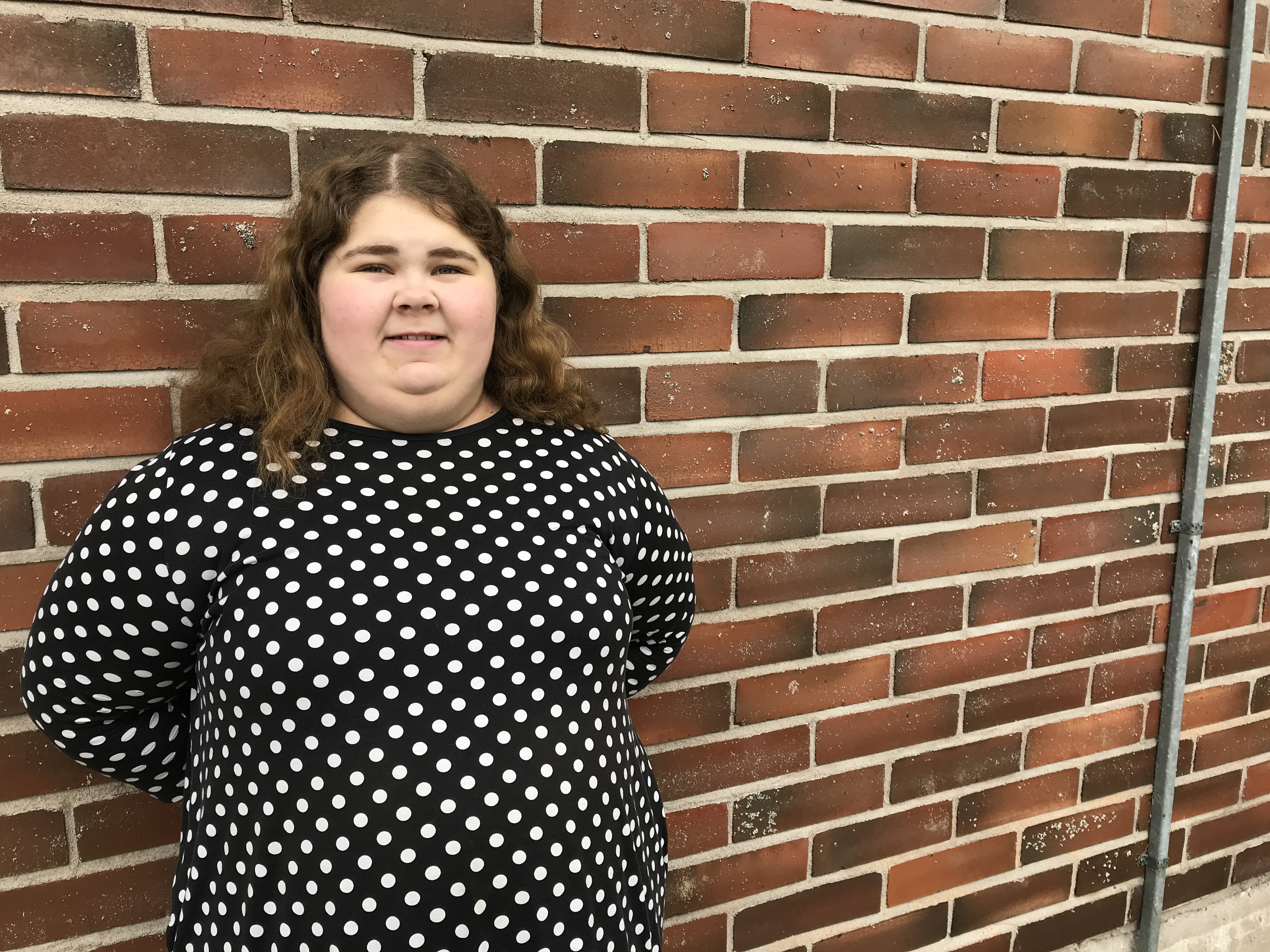
Iikka Stone
stand-up comedian, author and screenwriter
Photo: Vesa Tyni.
 The article is part of a series of articles in which experts and influencers in environmental research, the circular economy, and culture reflect on the effects of the coronavirus pandemic on human relationships with nature and consumption.
The authors consider these questions: Will humanity learn anything from the coronavirus pandemic that could help us solve the climate crisis? Will the pandemic affect people's values or relationship with nature? What about economic and consumption patterns? Uusiouutiset asked this of circular economy experts, researchers and cultural influencers.
Read the other parts of the series here:
Liisa Rohweder: The same root cause creates epidemics and the climate crisis
Mari Pantsar: The last chance for a sustainable tomorrow
Sara Nyman: The climate cannot wait for the post-corona era
Jari Lyytimäki: Routine travel questioned
Eeva Furman: Curling up doesn't solve crises
Emmi Itäranta: The pre-pandemic lifestyle is becoming impossible
Maria JoutsenCurrent: An opportunity opened up for a sustainable economy
Read the entire series in the digital magazine
Uusiouutisten 5/20 article on the topic in pdf format
More on the topic



Uusiouutiset newsletter