
Chemical company Kiilto and materials technology company Betolar have started a collaboration to develop new, low-carbon floor screeds. The partnership aims to cut carbon dioxide emissions across the entire construction industry.…
Surplus lignin replaces fossil raw material in laundry detergent




Chemical company Gloss has developed the market's first textile detergent that utilizes lignin, a waste product from the wood industry.
The biopolymer derived from Norwegian spruce trees becomes the raw material for washing powder intended for professional industry use.
Waste for profit
The detergent is used to clean, for example, professional clothing, restaurant tablecloths and hospital sheets. Lignin replaces the fossil-based raw material previously used in the powder.
“Lignin comes in abundance as a by-product of industry, so not a single tree is cut down to obtain this raw material,” emphasizes Kiilto’s product development manager, chemist Tomi Peltonen.
“This is exactly what the circular economy is about – making use of what already exists that would otherwise go to waste.”
Recycled plastic for packaging
Lignin has a carbon footprint that is about half that of a similar fossil-based material.
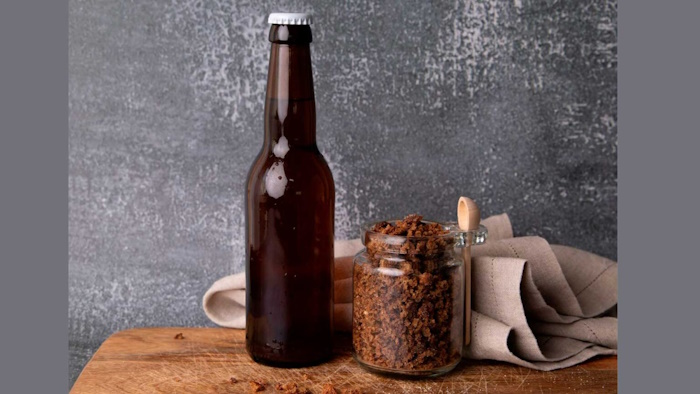
"Lignin appears in the product as small brown granules. However, it prevents laundry from turning gray more effectively than the previous raw material," Peltonen says.
The packaging of Kiilto Pro Textile washing powder will also change in conjunction with the recipe update. The previous cardboard will be replaced with plastic.
This also surprisingly reduces the environmental impact of the product.
“The new packaging is both made entirely from recycled plastic and fully recyclable. The new plastic packaging has a carbon footprint that is approximately five percent lower than its predecessor.”
Text: Päivi Ikonen, Kemiamedia.fi
Photo: Kiilto. Waste lignin has half the carbon footprint of a similar fossil raw material. In addition, it prevents greying more effectively than its fossil counterpart.
More on the topic



Uusiouutiset newsletter