
Kuusakoski is establishing a recycling plant for plastic composite waste in Finland. Previously, there was no recycling option for this waste in Finland. Recycling company Kuusakoski is making a four million euro investment in Hyvinkää…
Biocomposites for new and demanding applications
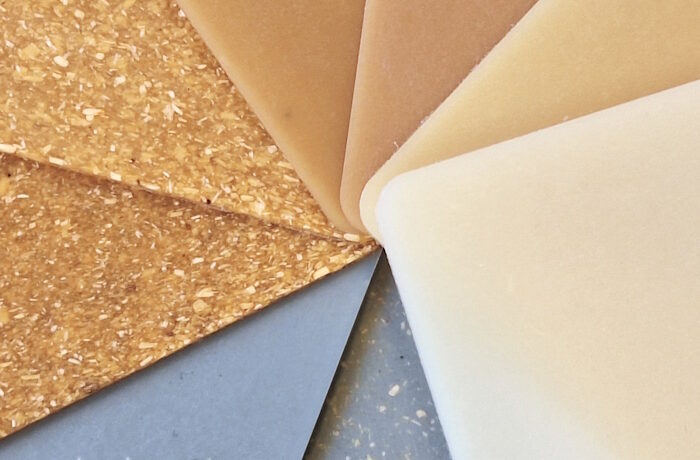



Bio-based plastic composites can provide an answer to the increasing sustainability requirements in an increasing number of sectors. Therefore, they must also meet the criteria of increasingly challenging applications. The multidisciplinary development project has tackled, among other things, the fire resistance, weather resistance and recycling of biocomposites.
Plastic composites offer a lightweight, strong and corrosion-resistant alternative to traditional metal applications. In particular, composites are used to reduce energy consumption and thus carbon dioxide emissions in transportation. However, the majority of composite materials are still made from petroleum-based plastics and inorganic reinforcing fibers, such as glass fiber.
There are also biocomposites on the market, which are made by reinforcing bio-based plastics with plant fibers or sawdust, for example. They are comparable to many traditional composites in terms of lightness and strength, but are generally less resistant to fire and various weather conditions, such as moisture and UV radiation.
"In order for biocomposites to be used, for example, in public space structures, ships and electrical equipment shells, fire resistance and weather resistance must be improved," says a senior researcher at VTT. Kirsi Immonen.
New safe additives for composites
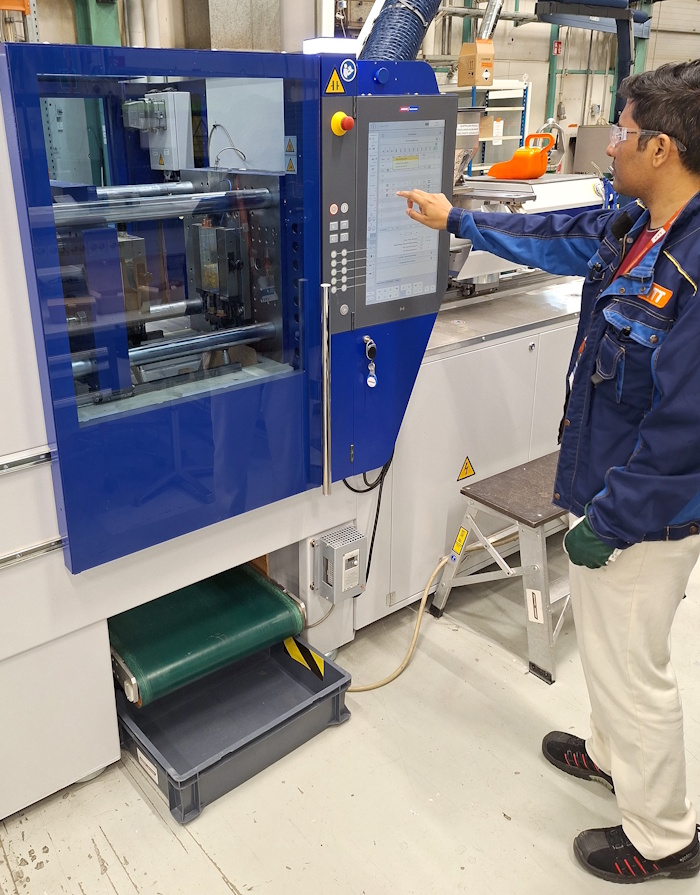
"Composites have typically used flame retardants, some of which have already been banned as harmful to the environment and some are in the process of being banned in the EU. So we need new safe additives that are suitable for biocomposites," says Immonen.
Bio-based fire retardants and weatherproofing materials are one of the development targets in the two-year In the ABiCo project, which aims to develop biocomposite materials suitable for the circular economy.
The research institutes and companies participating in the project together cover the entire manufacturing chain of biocomposites, from the development of raw materials and additives to the use and recycling of biocomposites.
"Together we can ensure that the biocomposites we develop are suitable for processing using different methods and also for recycling. Recycling biocomposites is in principle easier than recycling, for example, fiberglass composites, but an economically viable recycling system would of course require more material to be recycled than is currently the case."
The best biocomposite for each application
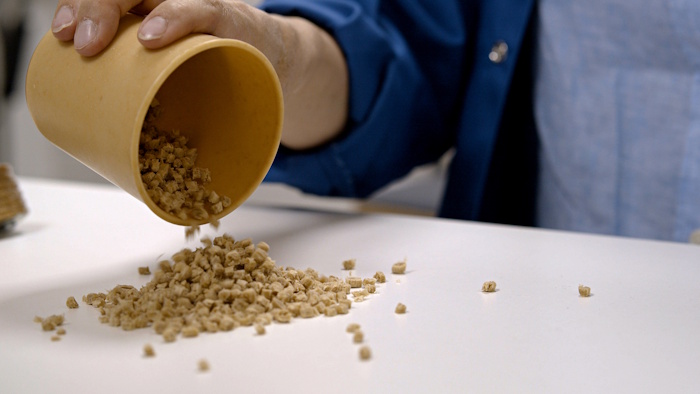
The development project selected bio-based polyethylene and recycled polypropylene as test plastics, and cellulose fiber and sawdust as reinforcements. Both plastics are thermoplastics, meaning they can be reshaped by heating. The polypropylene is supplied by NG Nordic, which recycles plastic packaging waste from Finnish households into secondary raw materials for the plastics industry.
"As a corporate member of the AbiCo project, we closely monitor the development work and can agree on the utilization of the results when we develop new biocomposites from recycled plastics for new uses," sums up NG Nordic's product expert. Kari Aaltonen.
NG Nordic's range includes recycled plastic Circo composite materials, which can be reinforced with glass or natural fibers in addition to traditional mineral fillers. Customers have utilized the company's biocomposites in furniture, among other applications.
"We achieve the best results when we start with a clean slate together with the customer. Then the product designer can take the material into account from the beginning and also get the desired properties from the material," Aaltonen says.
The collaboration between material and product developers will also create the ABiCo project's demo products. In addition, the researchers will ensure that the project follows the principles of circular design. The aim is to ensure from the very beginning of product design that materials circulate as long as possible and that waste is generated as little as possible.
Participants in the ABiCo project
- Åbo Akademi University, VTT Technical Research Centre of Finland, LUT University, LAB University of Applied Sciences and University of Eastern Finland
- NG Nordic, Metsä Group, Durat Tonester, Brightplus, Vaisala, Pihla, Meyer Turku, Syklo Biocomposites and TK-Team
- coordinated by CLIC Innovation
Text: Marianna Salin
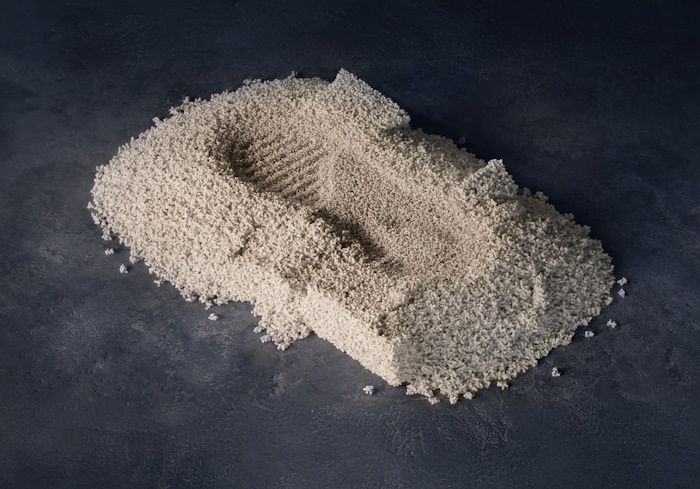
Photo: Kirsi Immonen. Example of biocomposite materials produced in the ABiCo project.
More on the topic









Uusiouutiset newsletter