
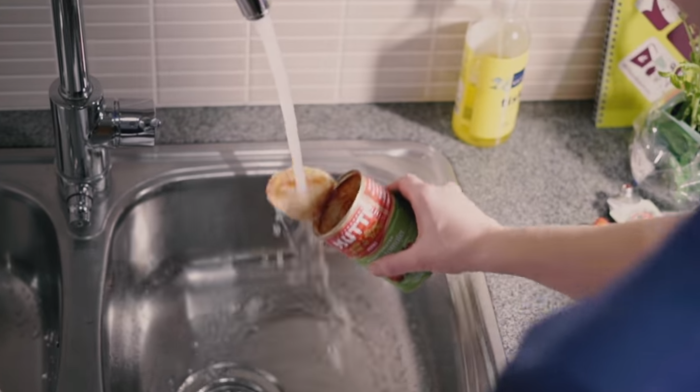
How well should a tomato sauce can be rinsed before being sent for recycling? Should the cap be removed from a plastic bottle? The answers to consumers' sorting problems can be found in new advisory videos. Finnish Packaging Recycling…
Martas encourage responsible clothing purchases




“Textile recycling is only in its infancy,” says the development manager responsible for climate and environmental issues at the Martha League. Salka Orivuori.
“The most important thing a consumer can do is to keep the clothes they buy in use for as long as possible.”
The Marttaliitto has challenged consumers to reduce textile waste.
Orivuori reminds us that knowing how to care for our textiles will extend the life of our clothes: “It would be important for each of us to learn, for example, to wash clothes only when necessary, as excessive washing wears out textiles, and to make simple repairs.”
Check the quality in the store
Orivuori advises consumers to check the quality of the clothing in the store:
“It's worth checking whether the seams are sewn well, whether the buttons are tightly fastened, and how thick and high-quality the fabric of the garment is in general. Thicker material usually lasts better.”
It is also worth checking the washing instructions before making a purchase decision.
“If you don't like washing by hand, it's best to leave clothes that require gentle treatment at the store,” Orivuori advises.
According to Orivuori, the environmental impacts of different textile materials cannot be compared one to another. However, as a rule of thumb, he advises that, if at all possible, consumers should purchase clothing made from recycled fiber.
The consumer can influence things with their choices, but not everything.
“On some issues, change must come from the clothing industry itself,” Orivuori emphasizes.
Text: Emma Kaustara
Photo: Elina Saarinen.
More on the topic






Uusiouutiset newsletter