
Kuusakoski is establishing a recycling plant for plastic composite waste in Finland. Previously, there was no recycling option for this waste in Finland. Recycling company Kuusakoski is making a four million euro investment in Hyvinkää…
Finland knows how to utilize plastic composite waste – New video shows how




The Finnish Plastics Industry Association has published an animated video that illustrates how plastic composite waste is diverted for reuse. The pioneering model is internationally exceptional.
Developed in Finland On the KiMuRa route (Recycled and crushed raw material) plastic composite waste is collected, crushed and utilized in cement production, where the glass fiber in the composite ends up as the raw material for clinker.
The composite's plastic matrix, in turn, acts as fuel in a process that leaves no ash or chemicals behind.
Composite waste is crushed centrally by Kuusakoski Recycling Oy, which delivers it to Finnsementti Oy's factory.
According to the Finnish Plastics Industry Association, it is possible to reuse plastic composite waste throughout the country.
How to recycle plastic composites successfully
Composites are lightweight, strong, and durable materials. Their properties make them useful in applications such as wind turbine platforms, boats, vehicles, industrial piping, and many technical products.
However, the structure of the plastic composite makes recycling challenging, as the material is mechanically and chemically resistant.
An expert from the Finnish Plastics Industry Association Pirjo Pietikäinen According to the report, composite waste is often talked about as a problem. However, Finland shows that the problem is not insurmountable.
“The purpose of the new cartoon video is to clearly show what happens to waste and why it is not an impossible issue but one that can be solved,” says Pietikäinen.
The video is available to watch. here.
Even the windmills bent
Wind turbine blades have been the most challenging part of wind turbine recycling.
However, the KiMuRa project developed a solution that also made it possible to utilize blade waste from wind turbines dismantled in Pori in 2022.
Some of the material could have previously ended up in final disposal or processed by foreign operators.
Composite Circle project builds composite recycling ecosystems
Work to recycle composite waste continues internationally Composite Circle in the project.
The project, implemented under the EU's Interreg Baltic Sea Region program, brings together experts from six countries to develop recycling routes and business ecosystems for composite materials in the Baltic Sea region.
The Composite Circle, which advances the expertise of the KiMuRa route, aims to ensure that composite products that are reaching the end of their useful life can be repaired or used in new projects or made into raw materials for industrial use.
Text: Päivi Ikonen, Kemiamedia.fi
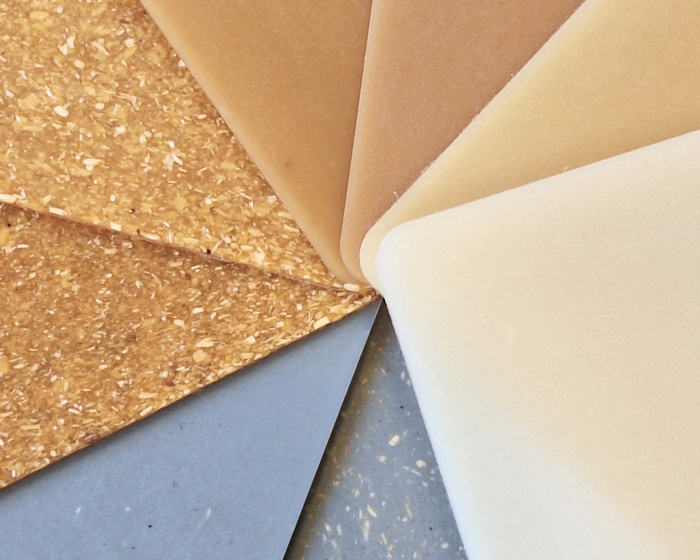
Photo: Tusstaikurit/ Plastic Industry Association. Plastic composite is not the easiest material to recycle, but an effective recovery solution has been built for it in Finland.
More on the topic


Uusiouutiset newsletter