

Biogas and nutrient recycling plants worth over 730 million euros are currently being planned or built in Finland. If implemented, they would bring at least 800…
Power from power plant ash for biogas production – a great additive for the digestion process



Ash could be an excellent additive to the biowaste digestion process. It improves both methane production and the fertilizing properties of the digestate.
This is the conclusion of a study by the University of Jyväskylä and the Natural Resources Institute Finland (Luke), which has been published Biomass and Bioenergy -in leaf.
Researchers experimentally demonstrated that it is possible to use ash generated in power plants as an additive for anaerobic digestion. However, care must be taken when it comes to the amount.
“Too much ash can have the opposite effect on methane production,” notes the lead researcher Saija Rasi Read on.
The raw material used in the incineration plant also affects the quality of the ash and further methane production.
“The ash produced by burning wood was more beneficial than the ash produced by burning peat, which is probably due to the different trace element concentrations in the ash,” Rasi says.
Accelerates plant growth
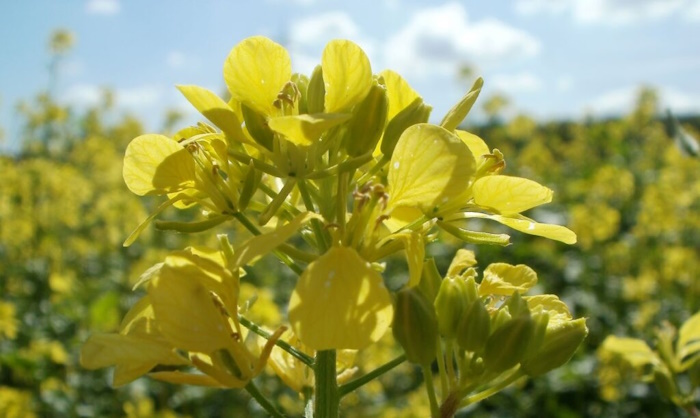
An experiment with mustard proved that ash accelerates plant growth.
Adding ash affects the growing medium by increasing the nutrient content and the amount of organic matter. It also reduces the acidity of the growing medium.
Germination and flowering decreased in all growth media containing rotted residue, but adding ash reversed the situation.
“It is likely that plants fertilized with rotted residue used more resources for growth than reproduction,” says the study’s lead author, a university lecturer. Siiri Perämäki from the University of Jyväskylä.
Heavy metal concentrations in the growing media remained safe, and no harmful metal accumulation was observed in the plants.
A new source of recycled fertilizer
The EU has classified phosphate and phosphate rock as critical raw materials, as their production is concentrated in only a few countries. This highlights the need to develop recycled fertilizers from local side streams and waste.
Recent Finnish research offers new opportunities for development work.
The study was conducted as part of Kire project (Circular economy ecosystem: waste and side streams into raw materials), which was funded by, among others, the European Regional Development Fund, the City of Jyväskylä, Mustankorkea Oy and Helsinki Region Environmental Services HSY.
Text: Päivi Ikonen, Kemiamedia.fi
Image: Wikimedia Commons. Ash-containing rotting residue proved to be an effective fertilizer that made mustard plants flourish.
More on the topic








Uusiouutiset newsletter